
To grow your E-commerce online store, you need more than a great product. You must move from a simple startup to a high-growth model by focusing on key operational areas.
Success comes from adapting fast to what customers want. By being agile and making decisions based on data, you build a strong brand.
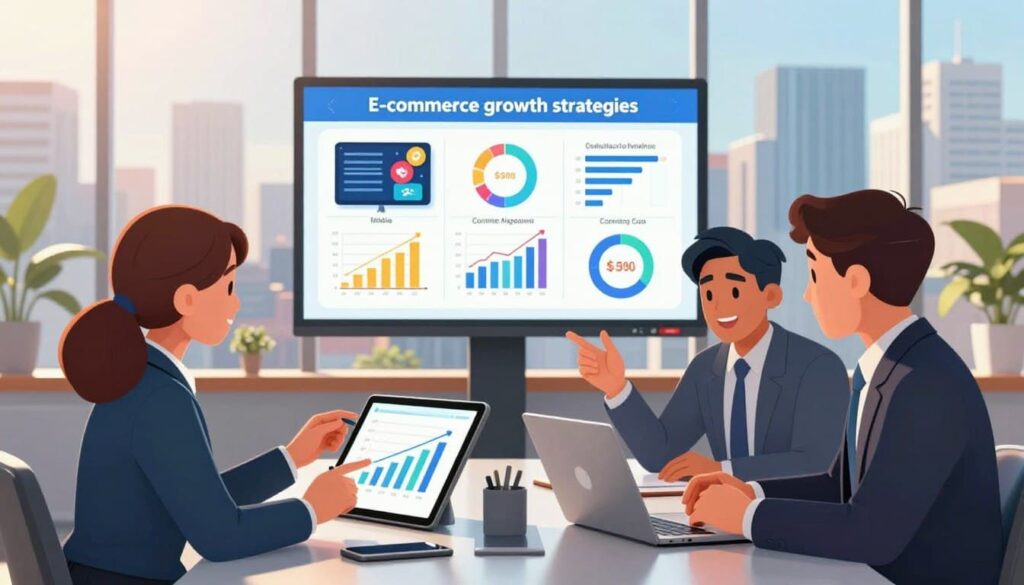
This guide is your roadmap to lasting growth in E commerce. By using these strategies, you can make your online business better and more profitable.
Key Takeaways of E-commerce
- Focus on data-driven insights to guide your expansion.
- Prioritize operational agility to stay ahead of market trends.
- Build a scalable infrastructure for your online store.
- Use proven methodologies to streamline your daily operations.
- Maintain a customer-centric approach to ensure long-term loyalty.
Optimizing Your Website for Maximum Conversion in E-commerce
A top-notch e-commerce site needs a design that’s easy to use and smooth. This focus on both tech and design boosts your conversion rate. It makes it easier for visitors to find what they want and buy it confidently.
Streamlining the User Experience and Navigation
Your online store should make it easy for shoppers to find what they need. A messy site can frustrate people, making them leave. Aim for a clean, easy-to-follow menu that takes users from the homepage to where they want to go.
Good user experience is more than looks; it’s about speed and working well on phones. Make sure your search bar is easy to find and filters work well. When it’s easy to navigate, people are more likely to buy.
Implementing High-Converting Product Pages
Your product pages are key to getting people to buy. They need great photos, detailed descriptions, and clear calls-to-action. Good writing that shows what makes your products special builds trust.
Adding customer reviews or ratings can also help. It shows your products are good and makes people less hesitant. By focusing on these areas, you can turn more views into sales.
Reducing Cart Abandonment with Strategic Checkout Flows in E-commerce
One big problem for online stores is cart abandonment. Make your checkout simple and safe. Don’t make people sign up before they pay, as this can cost you money.
Give guests the option to checkout and show them how many steps are left. Offer different ways to pay to meet everyone’s needs. By making the checkout easy, you get more sales and happier customers.
Leveraging Data Analytics to Drive Growth in E-commerce
You can turn numbers into growth plans by understanding your store’s data. Data analytics is key for any growth strategy today. It helps you see how users interact with your site, guiding your business choices.
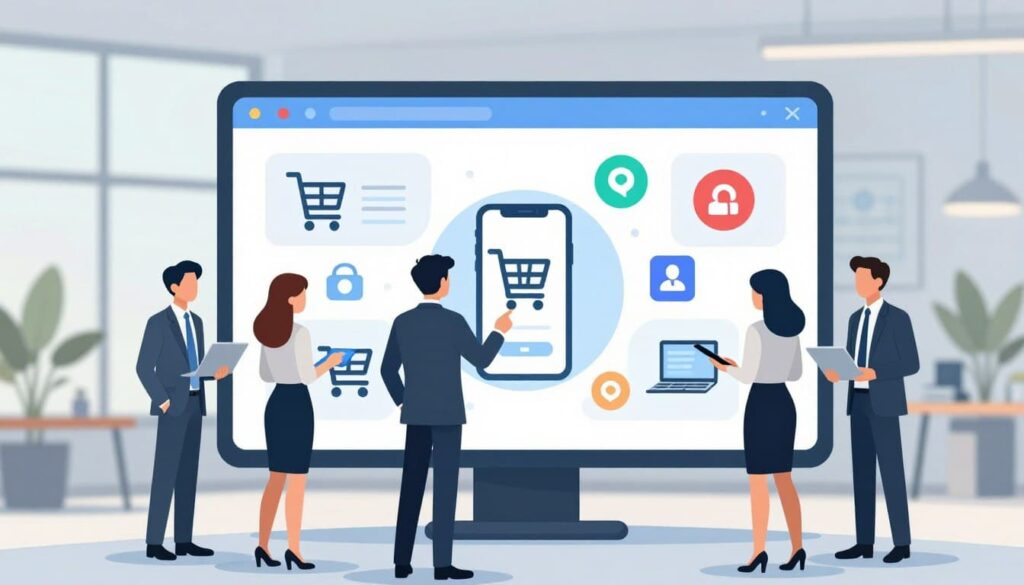
Tracking Key Performance Indicators for E commerce Success
To grow, watch your key performance indicators closely. Focus on your conversion rate and average order value. These metrics show where to improve in your sales process.
Tracking these numbers helps you make smart choices instead of guessing. It leads to real improvements in your sales.
The table below shows the main metrics for growth:
| Metric | Purpose | Optimization Goal |
|---|---|---|
| Conversion Rate | Measures visitor intent | Increase by 1-2% monthly |
| Cart Abandonment | Identifies friction points | Reduce by 5% per quarter |
| Customer Acquisition Cost | Tracks marketing efficiency | Lower cost while scaling |
| Average Order Value | Monitors revenue per sale | Boost through cross-selling |
Utilizing Customer Behavior Data to Personalize Offers
Studying customer behavior helps you avoid generic marketing. Segment your audience by their shopping history and past buys. This way, you offer personalized deals that boost your ROI.
A/B Testing Your Sales Funnel for Better Results in E-commerce
Improving your funnel is a continuous task that needs A/B testing. Try out different headlines, button colors, and layouts. This method ensures your marketing is always effective, leading to more engagement.
Mastering Search Engine Optimization for Visibility in E-commerce
Getting better at search engine visibility is key for any e-commerce brand growing. SEO is the core of a lasting growth plan. It makes sure your store shows up when people search for what they need. This way, you don’t just rely on ads and build your site’s value over time.
Conducting Keyword Research for Niche Markets for E-commerce
Good keyword research is the base of your digital plan. You need to find the terms your target audience uses when they’re ready to buy. Instead of going after general, competitive terms, aim for specific, long-tail keywords that match your niche.
Google Keyword Planner or Ahrefs can find these hidden gems. By focusing on these specific phrases, you reach shoppers who are really looking for what you offer.
Optimizing Product Descriptions and Meta Tags in E-commerce
After finding your keywords, use them naturally in your product pages. Don’t stuff keywords, as search engines value content that’s truly helpful. Your descriptions should highlight the benefits and answer questions before the “buy” click.
Don’t forget the power of meta tags, like title tags and meta descriptions. They’re your store’s first look in search results. A good meta description can boost your click-through rate by making users want to visit your site.
Building Authority Through Content Marketing for E-commerce
Regular content marketing is key to being seen as a trusted leader in your field. By making helpful blog posts, guides, and tutorials, you offer more than just products. This helps you get backlinks and social shares, showing search engines your site is reliable.
| Strategy | Primary Benefit | Effort Level |
|---|---|---|
| Keyword Research | Targeted Traffic | Medium |
| Product Page SEO | Higher Conversions | High |
| Content Marketing | Brand Authority | High |
A mix of these strategies will help your business grow steadily. Be patient, as improving search rankings takes time. Focus on quality and user experience, and your visibility will increase over time.
Scaling Your Reach Through Social Media Advertising
Mastering social media advertising can unlock huge growth. It lets you reach specific groups likely to be interested in your brand.
Going beyond just organic reach, you can show your products to people who want to see them. This is key for growing in a busy online market.
Targeting Your Ideal Audience on Meta Platforms in E-commerce
Meta platforms offer tools to find your ideal customers. You can target based on interests, behaviors, and past buys. This ensures your ad budget is well-spent.
For the best results, do A/B testing on your ads. This helps you see which groups give you the most bang for your buck.

Creating Compelling Visual Content for TikTok and Instagram
For TikTok and Instagram, visual stories are everything. You need to make authentic, top-notch videos that grab attention fast.
Show your products in real-life settings, not just in fancy corporate ads. Use A/B testing to see which video styles work best with your audience. This helps you improve your approach over time.
Retargeting Strategies to Bring Visitors Back
Not everyone buys on their first visit. Social media advertising lets you run retargeting ads. These remind people about items they left behind.
By showing ads to users who’ve visited your site before, you boost your chances of a sale. This turns casual visitors into loyal customers, making your marketing efforts pay off in the long run.
Building Customer Loyalty Through Email Marketing
To turn one-time buyers into lifelong fans, you need to master email marketing. This method lets you connect directly with your audience. It helps build relationships that last beyond a single purchase. By consistently providing value, you can increase customer loyalty and keep your brand top of mind.
Segmenting Your Subscriber List for Targeted Campaigns for E-commerce
Not every customer is the same. You should split your list into groups based on customer behavior. For example, you might have segments for frequent buyers, those who only shop during sales, or inactive subscribers.
Targeted messages boost engagement. Personalization makes your content feel right, not wrong. This way, you send the right message at the right time.
Automating Welcome Sequences and Abandoned Cart Emails
Automation is like a silent salesperson that works for you all the time. A good welcome sequence introduces new subscribers to your brand right away. This first touch is key for building trust.
Also, don’t ignore cart abandonment. Send a reminder email to users who left items behind. This can encourage them to finish their purchase. These automated emails are crucial for not losing sales.
Crafting High-Value Newsletters That Drive Repeat Purchases
Your newsletters should be more than just sales pitches. Include educational content, tips, or exclusive content that adds value. Treating your email list as a community fosters long-term engagement.
Regular, quality emails keep your brand relevant. By studying customer behavior, you can tailor your newsletters to what your audience wants. This turns casual readers into loyal buyers who eagerly await your next email.
Enhancing Customer Trust and Brand Reputation for E-commerce
Building strong customer trust is key to turning casual shoppers into loyal fans. When customers feel safe, they’re more likely to buy and come back. A solid brand reputation is the base for your success online.
Managing Online Reviews and Social Proof
People often check reviews before buying. By managing online reviews, you show you value feedback and want to get better. Being open and addressing criticism well can make you more credible.
Using social proof, like customer photos and testimonials, is also powerful. It shows new visitors that your store is trustworthy. This helps them feel confident in choosing you over others.
Providing Exceptional Customer Support Channels
Excellent support is key to keeping customers loyal. Offering various support options, like live chat or email, makes shopping easier. Quick, caring responses show you put customers first.
Good support teams fix problems before they turn into complaints. By investing in a quick help desk, you make every interaction positive. This keeps your audience happy and loyal over time.
Ensuring Secure Payment Processing and Data Privacy
A safe user experience is essential in today’s e-commerce. Shoppers must feel their financial info is safe. Showing security badges at checkout reassures them.
Clear data privacy policies on your site are also important. Handling customer info with care builds trust. The table below shows how different strategies help your growth:
| Strategy | Primary Benefit | Impact Level |
|---|---|---|
| Online Reviews | Social Validation | High |
| Live Support | Issue Resolution | High |
| SSL Encryption | Data Security | Critical |
| Loyalty Programs | Repeat Sales | Medium |

Expanding Your Sales Channels Beyond Your Website
You can increase your brand’s visibility by meeting customers where they spend most of their time. Using just one storefront limits your reach. But, by using sales channels across different platforms, you can reach more people. This way, you have more chances to be discovered and to make sales.
Integrating with Marketplaces Like Amazon and Walmart
Marketplaces like Amazon and Walmart are huge for shoppers. By selling there, you reach millions of people ready to buy. To stand out, you need to do keyword research to show up in searches, just like you do on your website.
Keeping your stock in sync across these sites prevents selling out. Many e-commerce tools let you manage these listings from one place. This saves time and gets your products in front of more shoppers.
Utilizing Social Commerce Features on Instagram and Pinterest
Social commerce makes shopping easy on platforms like Instagram and Pinterest. Now, users can buy items right in the app. This makes it easier to buy, leading to more sales.
Focus on making your product photos look great in real-life settings. When someone sees something they want, they can buy it right away. This makes it easy for customers to go from seeing something to buying it.
Exploring Wholesale and B2B Opportunities
As your business grows, you might want to sell more than just to individual customers. Wholesale and B2B deals can bring in steady, high-volume sales. Selling in bulk means less work for you, as you don’t have to deal with each order individually.
To attract these big clients, you need to look professional. You might create a special area for wholesale clients to order. This change can make your brand a go-to supplier for other businesses.
Streamlining Logistics and Order Fulfillment
Managing goods flow is key for any online business to thrive. As your business grows, your logistics plan must keep up. This ensures your products reach customers on time and keeps your profits high.
Choosing the Right Shipping Partners for Speed and Cost
Finding the right shipping partner is crucial. You need to balance fast delivery with low costs. Look for carriers that are reliable, offer good tracking, and cover your area well.
For frequent orders, try to get discounts. Reliable shipping builds customer loyalty. Choose partners with clear tracking to ease your support team’s work.
Automating Inventory Management Systems
Manual tracking can lead to mistakes like overselling. Using inventory management software fixes this. It keeps your stock levels up to date across all platforms.
- Real-time alerts for low stock levels.
- Automated reordering triggers for popular items.
- Centralized dashboard for multi-channel visibility.
Improving Returns Processes to Boost Customer Satisfaction
A smooth returns process is as important as the initial sale. If returns are easy, customers are more likely to shop with you again. Offer prepaid labels and clear instructions to make returns a positive experience.
Look at your return data to spot common issues. Fixing these can lower return rates. Use the table below to compare different fulfillment methods for your business.
| Strategy | Primary Benefit | Best For |
|---|---|---|
| In-House Fulfillment | Full control over branding | Small, growing startups |
| Third-Party Logistics (3PL) | Scalability and speed | High-volume retailers |
| Dropshipping | Low overhead costs | Testing new product lines |
Investing in Influencer Partnerships and Affiliate Programs for E-commerce
Influencer partnerships and affiliate programs are great ways to spread the word about your brand. They let you tap into the trust that creators have built with their followers. This can help you reach people who might not have found your store otherwise.
These strategies turn other people’s voices into strong supporters for your products.
Identifying Micro-Influencers That Align with Your Brand
You don’t need a famous person to get good results. Micro-influencers often have higher engagement because people see them as real experts. Look for partners whose values and style match your brand perfectly.
Choose creators who talk to their followers and share authentic stories. When people trust their advice, your products become more credible. This is more effective than just advertising.
Structuring Affiliate Commissions to Incentivize Growth
A good affiliate program motivates partners to keep promoting your store. Offer competitive commission rates for each sale they make. Consider a tiered system where they earn more as they sell more.
Make your program easy to join and give partners the tools they need to succeed. When they feel supported, they’re more likely to choose your brand over others. This mutually beneficial relationship brings more traffic and sales to your business.
Measuring the Return on Investment for Influencer Campaigns
To make sure your money is well spent, track your results with data analytics. Set clear key performance indicators before starting any campaign. This lets you adjust if a partnership isn’t working out.
Compare different influencers to see which ones bring in the most sales. By looking at your ROI, you can improve your strategy. This ensures your growth is steady and can grow over time.
| Strategy Type | Primary Goal | Measurement Metric |
|---|---|---|
| Micro-Influencer | Brand Awareness | Engagement Rate |
| Affiliate Program | Direct Sales | Conversion Rate |
| Data Analytics | Budget Optimization | ROI |
Conclusion
Scaling an online business needs smart planning and daily work. You now have the tools to make your digital store a top earner.
Success comes from using email marketing to keep customers coming back. Regular updates keep your brand fresh in shoppers’ minds.
Your brand’s reputation is key for growth. Focus on being open and delivering quality to win your audience’s trust.
Good logistics mean your products arrive on time. This builds loyalty and encourages more buys from your catalog.
Think about teaming up with influencers to reach new people fast. Their endorsements bring real value and attract more visitors to your site.
Also, consider starting affiliate programs. They reward promoters for selling your stuff, growing your sales without big costs upfront.
Start using these strategies now to see real changes. Your dedication to these areas will shape your business’s future.
FAQ
What is the first step to scaling my e-commerce business effectively in the United States?
First, move from a manual startup phase to a high-growth model. Use a strong platform like Shopify Plus. Focus on making decisions based on data to find your most profitable areas. This keeps your business agile in a competitive market.
How can I improve my website’s conversion rate and reduce friction for shoppers?
Streamline your user experience by making product pages more effective. Use Stripe or PayPal for a secure, one-click checkout flow. Reducing technical issues and clear calls-to-action help lower cart abandonment.
Which KPIs should I track using Google Analytics 4 to ensure success?
Keep an eye on your customer acquisition cost (CAC), average order value (AOV), and conversion rate. Use Google Analytics 4 to see where your sales funnel needs work. This helps you improve your marketing and ROI.
How do I improve my search engine visibility for specific niche markets?
Use tools like SEMrush or Ahrefs for keyword research. Then, optimize your meta tags and product descriptions. Build your brand with content marketing and check Google Search Console for better rankings.
Which social media platforms are best for retargeting and reaching new audiences?
Use Meta Ads Manager for Facebook and Instagram to reach your audience. Create engaging content for TikTok to retarget visitors and encourage them to buy.
How does email marketing help in building long-term customer loyalty?
Use platforms like Klaviyo or Mailchimp to segment your subscriber list. Automate welcome sequences and send valuable newsletters. This keeps your brand in mind, driving repeat purchases.
How do I manage my brand reputation and increase customer trust?
Manage your online reviews on sites like Trustpilot and offer great support through Zendesk. Show social proof and ensure data privacy to win over new customers.
Can I expand my sales reach beyond my own website?
Yes, sell more by linking your inventory with Amazon Seller Central and Walmart Marketplace. Use social commerce on Pinterest and Instagram for easy shopping.
What are the best strategies for streamlining logistics and order fulfillment?
Automate inventory management with software like ShipStation. Partner with reliable carriers like UPS, FedEx, or DHL. Improve your returns process for better customer satisfaction and speed.
How do I find and manage the right micro-influencers for my brand?
Use platforms like Impact.com or Grin to find micro-influencers that match your brand. Set up affiliate commissions to motivate them. Use data analytics to see the ROI of each campaign.