
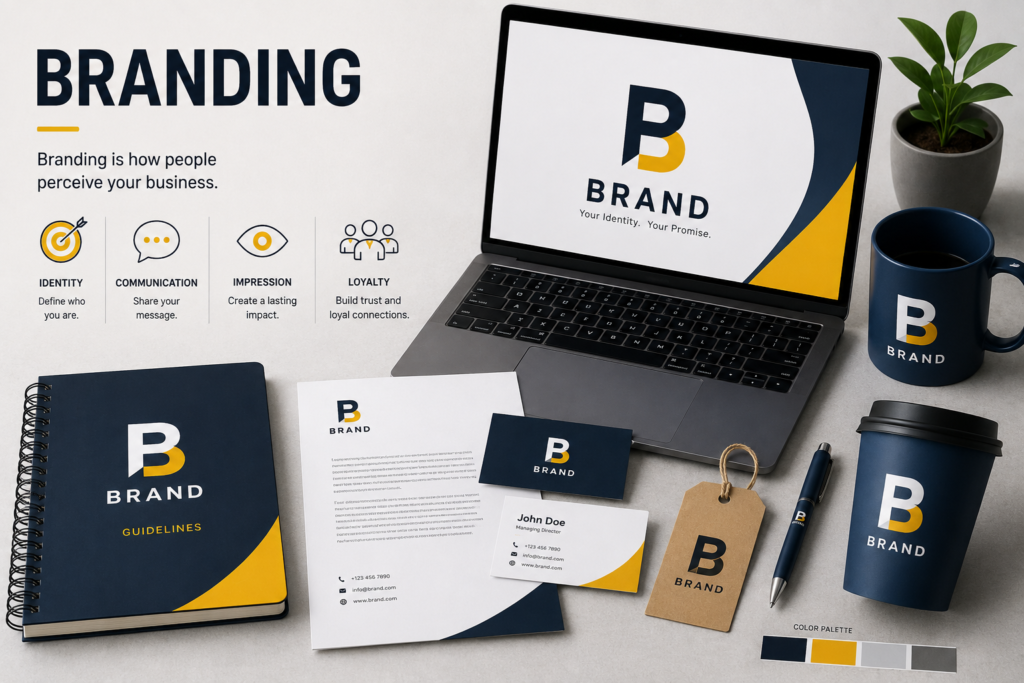

In today’s fast-paced United States economy, standing out is no longer a luxury; it’s a necessity. Branding is key for long-term business growth. It helps you connect with your target audience on a deeper level. When you define your identity early, you create a roadmap for sustainable success.
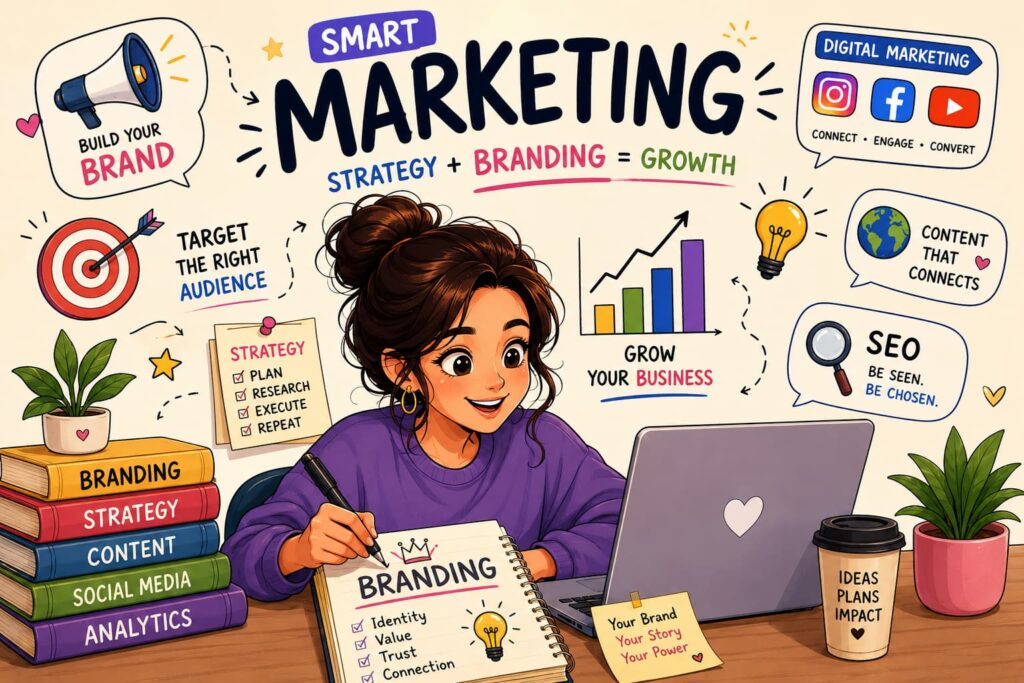
Building a strong reputation helps you create lasting brand equity. This intangible asset makes your company stand out in a crowded marketplace. It makes your products or services the obvious choice for consumers. By focusing on intentional messaging, you ensure your firm stays relevant and memorable.
Effective branding is the foundation of your market presence. It changes how customers see your value and drives consistent engagement. Start using these strategies today to secure your competitive edge and reach your long-term goals.
Key Takeaways of Branding
- Identity is a critical driver for modern commercial success.
- Strategic positioning helps you stand out in competitive markets.
- Consistent messaging builds long-term value for your company.
- Intentional efforts lead to deeper market penetration.
- A clear vision sets the stage for sustainable expansion.
Defining Your Unique Value Proposition
To stand out in a crowded market, you need to tell customers why they should choose you. A strong branding strategy starts with knowing your purpose and the value you offer. This clarity gives potential clients a reason to choose your business.
Identifying Your Core Mission and Vision for Branding
Your mission statement is the heart of your organization. It should show your long-term goals and be realistic about your daily work. Authenticity is crucial because today’s consumers can spot when you don’t match your words with actions.
Write down your core values. These values guide your decisions and help your team know the company’s direction. When your vision and actions align, you create a strong foundation that’s hard to copy.
Analyzing Your Target Audience in Branding Process
Understanding your target audience means more than just demographics. You need to understand cultural nuances and specific problems of American consumers. Whether you serve local areas or the whole country, your message must connect with their experiences.
Think about how regional tastes or lifestyle trends affect buying habits. By learning what your customers value, you can tailor your messages to meet their needs. This approach helps you build a deeper connection with your customers, beyond just a sale.
Differentiating Your Brand from Competitors
To have a real competitive advantage, find what makes you different from rivals. Analyze your competitors’ strengths and weaknesses. Look for gaps in the market they don’t address and position your brand to fill those gaps.
The table below shows how you can stand out from others in your field:
| Strategy Element | Standard Approach | Your Unique Edge |
|---|---|---|
| Customer Service | Basic support tickets | Personalized, proactive engagement |
| Product Quality | Industry standard materials | Sustainable, high-performance sourcing |
| Market Positioning | Competing on price | Competing on total value and trust |
| Brand Voice | Generic corporate tone | Relatable, human-centric storytelling |
Focus on these differences to make your brand memorable. A clear competitive advantage attracts new customers and builds loyalty. Keep improving your strategy as you learn more about your target audience and the market’s changing needs.
Developing a Consistent Visual Identity
Your visual identity is like a silent ambassador for your business. It helps you stand out in a crowded market. By keeping visual rigor, your audience will feel a quick connection with your company. This is because every part of your visual design is carefully thought out.
Selecting a Color Palette That Evokes Emotion
Colors do more than just look good; they evoke feelings. When picking colors, think about the emotions you want to create. For example, blue is often seen as trustworthy, while orange can make people feel energetic.
It’s important to use the same colors everywhere. This helps build a strong brand identity. Use your main and secondary colors on your website, social media, and in print. This makes your brand easy to recognize, even without seeing your logo.
Choosing Typography That Reflects Your Branding Voice
Typography is like the tone of voice for your written content. A bold, sans-serif font can show modernity, while a classic serif font suggests elegance. Choose fonts that match your values to keep your brand voice clear and true.
Stick to two or three fonts to keep things consistent. Too many fonts can confuse people and make your brand look less professional. Always check how your fonts look on different screens to make sure they’re easy to read.
Creating a Versatile Logo Design
A good logo works well in any size, from small social media icons to big billboards. Keep it simple so it’s recognizable at any size. A versatile logo avoids too much detail that gets lost when it’s small.
Consider how your logo looks in color and black-and-white. Use clean lines and balanced shapes to make a logo that lasts. This focus on quality in your visual design shows you’re serious and helps you stand out.
Crafting a Compelling Branding Story
Your business history is more than a timeline; it’s your brand’s heartbeat. By turning your experiences into a story, you create a unique identity. This identity connects with your audience, building lasting relationships.

Connecting with Customers Through Authentic Narratives for Branding
Authenticity is key to customer loyalty today. Sharing your real challenges and wins invites people into your journey. This openness creates an emotional bond, encouraging them to support your brand.
In the United States, honesty and purpose are highly valued. By sharing your “why,” you make your story personal and genuine. This approach ensures your message reaches the right people at the right time.
Humanizing Your Business for Better Engagement
To connect with people, your brand needs a human touch. Show the people, values, and passions that drive your work. Humanizing your brand makes it relatable and friendly, not distant.
Share behind-the-scenes content or stories about your team. These glimpses into your culture help customers connect with the faces behind your logo. This engagement is crucial for building trust in a competitive market.
Aligning Your Story with Your Business Goals
Every story you tell must have a strategic purpose. Your narrative should reflect your core mission and support your marketing strategy. When your story aligns with your goals, every piece of content helps your business grow.
Keep your messaging consistent across all platforms to strengthen your identity. By linking your narrative to specific goals, you make storytelling a measurable asset. This focus helps build lasting customer loyalty over time.
Implementing Effective Branding Techniques for Growth
Building a strong digital presence is key for modern business growth. Aligning your online activities with your brand identity creates a seamless experience. This attracts and keeps customers. Targeted strategies can make your brand a key driver for sustainable growth.
Leveraging Social Media Platforms for Brand Awareness
Social media is a powerful tool for sharing your message. It helps you reach more of your target market. Choose platforms where your audience spends most of their time.
Be consistent in your visual style and tone. This makes your content easy to recognize. Engage with your audience by participating in conversations and sharing valuable content.
Utilizing Content Marketing to Establish Authority in Branding
Content marketing is crucial for becoming an industry leader. Create high-quality content like articles, videos, and guides. This shows your expertise and solves problems for your customers.
Make educational resources that address your audience’s pain points. Consistently providing helpful information builds trust. This trust is vital for business growth.
Optimizing Your Website for Branding Consistency
Your website is the heart of your digital presence. It’s often the first place people visit. It must reflect your brand identity through design, messaging, and navigation.
Regularly check your site to keep it aligned with your brand. Ensure your color palette, typography, and voice are consistent. A well-designed website improves user experience and boosts your branding efforts.
| Channel | Primary Goal | Growth Impact |
|---|---|---|
| Social Media | Brand Awareness | High Reach |
| Content Marketing | Authority Building | High Trust |
| Company Website | Brand Consistency | High Conversion |
Building Trust Through Social Proof
You can turn doubters into loyal fans by using the power of shared opinions. In a busy market, social proof proves your brand’s promises are true. It tells new people your business is trustworthy and worth their money.
By adding these signs to your digital presence, you make potential buyers feel safe. This is key to turning interest into action and keeping customers loyal for a long time.

Encouraging Customer Reviews and Testimonials for Branding
Real feedback is crucial for a modern business. When you ask your clients to share their stories, you give others the transparency they want. Here are some ways to get great testimonials:
- Send follow-up emails after a sale to ask for honest feedback.
- Make a special page on your website for new reviews.
- Give small rewards, like discounts, for detailed video reviews.
Always reply to reviews, good or bad. It shows you care about your community and want to get better.
Showcasing Case Studies and Success Stories
Reviews give a quick look at satisfaction, but case studies dive deep into the real-world impact of your services. They show how you solve big problems for your clients. A good success story should talk about the challenge, your solution, and the results.
By focusing on real results, you show you’re an expert and build your brand awareness. People are more likely to trust a brand that can show its success.
Partnering with Influencers and Industry Experts
Working with well-known people in your field can really help you grow. When an expert supports your product, they share their credibility with you. This partnership brings you to new people who trust the influencer.
“Trust is the currency of the modern digital economy. When you align your brand with respected voices, you solidify your reputation and expand your reach.”
— Industry Growth Expert
Pick partners who share your values to make the partnership feel real. This not only boosts your digital presence but also helps build strong customer loyalty.
Maintaining Brand Consistency Across All Channels
Consistency is key to building customer loyalty and strengthening your market position. A unified experience builds lasting trust with your audience. It makes every interaction feel like a natural part of your mission.

Establishing Comprehensive Branding Guidelines
To keep your messaging and look the same, you need a clear rulebook. These brand guidelines guide your teams and partners. They cover color, fonts, and image styles.
These documents also outline your communication’s tone and personality. Clear examples help avoid confusion. This lets your team create assets that stay true to your vision.
Training Your Team on Brand Voice and Values
Your employees are your brand’s biggest advocates. Training them on your brand voice ensures consistent communication. When they know your values, they make decisions that support your goals.
Regular workshops and updates keep these principles fresh. Encourage your team to share their communication ideas. This teamwork helps protect your brand’s integrity.
Monitoring Touchpoints for Brand Alignment
As your business grows, check every customer touchpoint for consistency. Every detail, from your website to packaging, matters. Regular checks help spot any messaging drift.
Using a systematic approach to monitoring catches inconsistencies early. This table shows how different elements contribute to a unified presence:
| Touchpoint | Consistency Focus | Expected Outcome |
|---|---|---|
| Social Media | Visual Design | Increased Recognition |
| Customer Support | Brand Voice | Higher Satisfaction |
| Website Content | Brand Guidelines | Improved Authority |
| Email Marketing | Brand Identity | Stronger Engagement |
Adapting Your Branding Strategy to Market Trends
Success in business today means keeping up with changing consumer habits. Markets are always moving, and your marketing strategy needs to be flexible to grab new chances. By being proactive, you keep your business at the forefront in the US market.

Staying Relevant in a Changing Economic Landscape
Economic changes affect how people spend money. You need to watch these trends to adjust your messages and services. Anticipating these shifts helps keep your brand fresh.
Good content marketing is key during these times. It offers value through learning materials, keeping you connected with customers. This consistency helps you stay strong even when things are uncertain.
Using Data Analytics to Refine Your Approach
Data gives you the clarity to make smart choices quickly. Track important metrics to see how people interact with your online presence. This insight lets you change your plans before small issues grow big.
Analytics show which channels work best. You can then focus on the platforms that give you the best results. This approach is crucial for staying ahead.
Embracing Innovation While Keeping Core Values
Innovation doesn’t mean forgetting your roots; it’s about new ways to share your mission. Your brand storytelling should show how you solve today’s problems while staying true to your core. This mix is key to building lasting consumer trust.
When introducing new tech, make sure it fits your company’s culture. Customers value authenticity, especially when they see a brand grow without losing its essence. The table below shows how to mix old strengths with new ideas.
| Strategy Element | Traditional Approach | Adaptive Approach |
|---|---|---|
| Communication | Static messaging | Dynamic, data-driven content |
| Customer Focus | Broad demographics | Personalized audience segments |
| Innovation | Risk-averse | Agile, experimental testing |
| Brand Identity | Rigid guidelines | Flexible, values-based evolution |
Measuring the Impact of Your Branding Efforts
You can’t improve what you don’t measure, especially with your brand’s market position. Having a clear way to evaluate your efforts is key. It makes sure your work leads to real business growth. By using data, you turn vague branding ideas into a strong competitive advantage.
Tracking Key Performance Indicators for Brand Growth
To see if you’re doing well, pick specific performance metrics that match your goals. Look at website traffic, conversion rates, and how much it costs to get a new customer. These numbers show how well your message is working with your audience.
Don’t forget the importance of social proof in your tracking. High social media engagement and positive reviews are key signs of a healthy brand. When these numbers go up, it means your strategy is hitting the mark with your audience.
Analyzing Customer Sentiment and Brand Perception
Numbers only tell part of the story; you also need to know how people feel about your company. Use surveys and social listening tools to get feedback from your customers. This shows if your brand guidelines are being seen as you intended.
Comparing this feedback with current market trends helps you stay relevant. If your scores drop, check if your message has become outdated or doesn’t match what customers want. Being real and open can turn things around.
Adjusting Strategies Based on Performance Metrics
After you’ve looked at your data, it’s time to make changes if needed. Use what you’ve learned to improve your marketing and focus on what works best. This keeps your brand quick to adapt in a fast-changing world.
Checking your performance metrics often helps your brand stay profitable. Being adaptable keeps you ahead while keeping your mission strong. Regular checks lead to steady growth and stability.
| Metric Category | Primary Goal | Impact on Growth |
|---|---|---|
| Brand Awareness | Increase Reach | High |
| Customer Sentiment | Build Trust | Medium |
| Conversion Rate | Drive Revenue | Very High |
| Retention Rate | Ensure Loyalty | High |
Conclusion
Your journey to market leadership starts with clear goals and steady work. You have the tools to make your business stand out. It will connect with your audience.
Knowing your unique identity helps build your brand’s value. This value is the base for every interaction with your customers in the United States.
Watching your performance metrics is crucial. They show what drives your growth. This data helps you improve and stay ahead of market changes.
Being adaptable is key for success. Flexibility keeps your message relevant and your reputation growing.
Use these insights in your daily work today. Your commitment to these principles will make you a trusted leader in your field.
FAQ
How does building brand equity contribute to long-term business growth?
Building brand equity is key because it shows your company’s value beyond its assets. In the US, a strong brand helps grow your business over time. It builds trust and recognition, like Apple or Amazon do.Having a clear vision makes your brand seem premium. This helps you reach more customers and keep making money.
What is the most effective way to define my Unique Value Proposition (UVP)?
To define your UVP, start with your mission and vision. Analyze your competitors to find market gaps. This helps you offer something unique to your audience.Aligning your goals with your audience’s culture makes your brand stand out. This way, customers choose you over others.
Why is a consistent visual identity important for my brand voice?
A consistent visual identity creates an instant connection with your audience. Choose colors and typography that match your brand’s voice. This evokes the right feelings in your audience.Using a versatile logo and consistent digital assets builds recognition. It’s like Coca-Cola’s iconic brand.
How can I humanize my business through brand storytelling?
Share real stories of your business’s challenges and wins. This connects you with your audience. It makes your brand relatable.When your story aligns with your goals, you build loyalty. Brands like Patagonia turn customers into lifelong fans through shared values.
Which digital marketing techniques best increase brand awareness?
Use social media like LinkedIn and Instagram to boost awareness. Content marketing makes you an industry leader. Make sure your website looks professional and consistent.
How do customer reviews and social proof impact my brand’s reputation?
Customer reviews and testimonials prove your brand’s value. They give potential buyers real feedback. Showcasing success stories and partnering with influencers boosts your reputation.It’s like Nike’s approach to building a strong online presence.
How do I ensure brand alignment as my company scales?
Create brand guidelines to keep your identity consistent. Train your team on your brand voice and values. This way, everyone represents your brand well.Regularly check your brand’s touchpoints to keep your identity strong, even as you grow.
How can data analytics help me adapt my marketing strategy?
Data analytics tools like Google Analytics help you understand your audience’s needs. Stay innovative while keeping your core values. This balance helps you adjust your strategy without losing customer trust.
What are the key metrics for measuring the impact of branding efforts?
Track KPIs like brand awareness, website traffic, and conversion rates. Analyze customer sentiment and perception. Adjust your strategies based on these metrics to keep your branding strong.