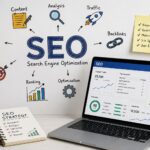

Starting a successful business is more than just a great product or service. Entrepreneurs need to know the basics of marketing to reach their audience. These key ideas help guide your brand through a busy and competitive world.
A solid plan is crucial for lasting business growth. Knowing how to connect with customers makes your company strong. Learning these basics is the first step to long-term success and stability.

Every leader should see their strategy as an investment in future success. Aligning your goals with industry standards opens up new chances for business growth. Using these key marketing strategies will help your brand shine.
Key Takeaways
- Mastering core principles is essential for long-term organizational success.
- A structured plan provides the necessary foundation for scaling operations.
- Understanding your audience is the first step toward building a resilient brand.
- Strategic planning helps companies navigate competitive markets with confidence.
- Consistent application of these concepts drives sustainable revenue and stability.
Defining Your Unique Value Proposition
To stand out in a crowded market, you need more than just a great product. You need a clear purpose. When you define your unique value proposition, you show how your business solves a problem better than others. This focused approach to marketing makes sure your efforts are not wasted.
Identifying Your Core Target Audience In Marketing
Success starts with focusing on your ideal customer, not trying to sell to everyone. By finding your core target audience, you can create solutions that meet their needs. This precision leads to better use of resources and higher success rates.
Knowing your target audience‘s demographics and behaviors is key for growth. When you understand who you serve, you can speak their language and solve their unique problems. This connection turns casual visitors into loyal supporters of your business.
Crafting a Compelling Brand Message
A strong brand identity is like a beacon in a busy digital world. It shows your company’s personality through your voice, visuals, and values. When your message is consistent, it builds trust and creates a deeper connection with your audience.
Your brand identity should reflect the promise you make to your clients every day. Whether you’re a local shop or a global service, clear messaging is crucial for marketing success. By staying true to your mission, you make a lasting impression that keeps your business in mind.

Conducting Comprehensive Market Research
Real-world data is key to growing your business. Relying on gut feelings can lead to missed chances. Market research helps you make smart choices. It lets you match your products with what your target audience really wants.

Analyzing Competitor Strategies In Marketing
Knowing your competitors is vital for success. By seeing what they do well, you find areas where you can stand out. This way, you can dodge potential problems before they hurt your business.
When checking out your competition, focus on these points:
- Pricing models: See if your prices are fair or if you offer more value.
- Marketing channels: Note where they advertise to reach their target audience.
- Product features: Look for common complaints to improve your offerings.
Utilizing Customer Surveys and Feedback Loops in Marketing
Talking directly to your customers is the best way to improve. Regular feedback ensures you really listen to what they need. This market research turns data into steps for making better products.
To make the most of customer feedback, remember these tips:
- Make surveys short to get more answers.
- Ask open-ended questions to find hidden issues.
- Respond to feedback publicly to show you value your target audience.
Using these insights daily helps your business grow. This focus on data keeps your brand fresh and competitive in a fast-changing world.
Building a Professional Digital Presence
Your digital presence is like your business’s online store. It’s the first thing people see when they look for solutions online. A professional look helps you stand out right away.
Optimizing Your Website for User Experience
Your website should look good and work well. Visitors want it to load fast and be easy to navigate. If it’s not, they might go to a competitor’s site.
It’s also important to make sure your site works well on phones. Most people use their phones to browse the internet. Clear calls-to-action and easy-to-use menus make your site better for everyone.
Establishing Consistent Brand Identity Across Platforms
Having a strong brand identity means looking the same everywhere. This includes your website, social media, and email newsletters. Being consistent builds trust and authority with your audience.
Make sure your logo, colors, and message are the same everywhere. When people see your brand, they feel more confident in what you offer. This is key to a successful long-term relationship with your clients.
| Element | Focus Area | Primary Benefit |
|---|---|---|
| Website Design | User Experience | Increased Conversion |
| Visual Assets | Brand Identity | Enhanced Recognition |
| Content Tone | Communication | Audience Trust |
Implementing Effective Content Marketing
In today’s digital world, content marketing is key to connecting your brand with your audience. By sharing relevant info, you show your expertise and gain trust. This not only boosts your site’s credibility but also brings more visitors over time.
Creating Value-Driven Blog Posts
Writing blog posts that solve customer problems is crucial. When you offer clear solutions, you draw in people looking for answers. This value-first approach also helps your site rank better in search engines.
To make your articles more effective, focus on these points:
- Find out what your customers often ask.
- Use simple language to explain complex topics.
- Link to your products or services to guide readers.
Leveraging Video Content for Engagement
Video is key for grabbing attention in a busy online world. Short, informative videos can share your message quickly. Adding video to your content marketing plan boosts engagement on social media.
Here’s a comparison of content formats to guide your focus:
| Format Type | Primary Benefit | Engagement Level | Production Effort |
|---|---|---|---|
| Educational Blogs | SEO Authority | Moderate | Medium |
| Short-form Video | High Virality | Very High | High |
| Case Studies | Trust Building | Low | High |
| Infographics | Shareability | Moderate | Low |
A mix of written and visual content works best. Consistency is key to keeping your audience interested and growing your online presence.
Mastering Search Engine Optimization
Learning how to optimize search engines is key to getting more visitors to your online store. When people look for solutions online, your business needs to show up first. A strong SEO strategy keeps your brand ahead in a busy digital world.

Performing Keyword Research for Visibility
The first step in a good SEO strategy is finding out what your audience searches for. Look for specific terms that show people are ready to buy. This way, you can make your website exactly what your customers need.
Use tools like Google Keyword Planner or SEMrush to find good keywords. Long-tail keywords are great because they’re less crowded and very relevant. This helps you get visitors who are more likely to become loyal customers.
Improving On-Page Technical Elements
Technical optimization makes it easy for search engines to find and list your site. Focus on clean URLs, fast loading times, and sites that work well on phones. These things help your content marketing efforts get better results.
Good meta tags and alt text for images give search engines more information about your pages. When your technical setup is strong, your content marketing can reach more people. Small details like these make your site easy for everyone to use.
| SEO Element | Primary Benefit | Implementation Priority |
|---|---|---|
| Keyword Research | Targeting relevant traffic | High |
| Meta Descriptions | Improving click-through rates | Medium |
| Page Speed | Enhancing user experience | High |
| Internal Linking | Boosting site authority | Medium |
Leveraging Social Media Marketing
Creating a strong digital presence is more than just making profiles everywhere. Successful brands pick platforms where their audience is most active. Social media marketing lets you talk directly to your community and make your brand more relatable.

Selecting the Right Platforms for Your Niche
Not every platform is right for every business. For B2B, LinkedIn is great for networking and showing industry expertise. On the other hand, Instagram or Pinterest are best for brands that focus on visuals.
Study where your competitors are and where your audience likes to see content. Choosing the right channels helps you use your resources wisely. This way, you avoid wasting time on platforms that don’t work for you.
Developing a Consistent Posting Schedule
Being consistent is key to a good social media marketing plan. Regular posts keep you in your followers’ minds and show algorithms you’re active. This builds trust with your audience over time.
Use a content calendar to plan your posts ahead. This keeps your digital presence lively and engaging. Always choose quality over quantity, focusing on posts that truly add value to your community.
Utilizing Email Marketing for Customer Retention
Email marketing is key for businesses wanting to keep in touch with their audience. It sends personalized content straight to their inbox. This helps build loyalty and encourages people to buy from you again. It’s a vital way to keep your brand in mind, unlike social media’s ups and downs.

Building and Segmenting Your Subscriber List
A good email list is the base of any successful campaign. Instead of buying lists, grow yours naturally with special offers or guides. Quality is more important than quantity when it comes to your subscribers.
Segmenting your list is crucial for relevance. Group your audience by their actions, demographics, or what they’ve bought. This makes every email feel made just for them. Here are some common ways to segment:
- New Subscribers: Send a welcome series to introduce your brand values.
- Inactive Users: Use re-engagement campaigns to win back interest.
- Frequent Buyers: Offer loyalty rewards to show appreciation.
Designing High-Converting Email Campaigns
To boost your conversion rates, your emails need to look good and be easy to use. A simple design with one clear call-to-action works best. Make sure your emails look good on phones, as most people check emails on their mobiles.
“The goal of email is not just to send a message, but to start a conversation that leads to a meaningful connection.”
— Industry Marketing Expert
Personalization is more than just using someone’s name. Use data to suggest products or send reminders for abandoned carts. The table below shows how different elements affect your success:
| Element | Impact on Engagement | Goal |
|---|---|---|
| Subject Line | High | Increase Open Rates |
| Personalization | Medium | Improve Relevance |
| Clear CTA | High | Boost Conversion Rates |
Keep testing your subject lines and content to get better over time. Good email marketing is all about listening to your audience and giving them value.
Understanding Paid Advertising Channels
Paid advertising is key for quick growth. It’s a boost when your SEO strategy needs it. It helps reach new customers fast, keeping your brand seen when it matters most.
Navigating Google Ads for Search Intent
Google Ads is great for catching users looking for what you offer. They’re already interested, making it easier to convert them. Targeting specific search intent puts your solution right in front of them.
Exploring Social Media Advertising Options
Social media marketing lets you connect with your audience in new ways. Sites like Facebook, Instagram, and LinkedIn help you target users by interests and more. This way, you maximize your return on investment by showing ads to the right people.
Good paid advertising means always testing and improving. By finding out which platforms work best, you can focus your budget there. This way, every dollar helps your business grow.
Analyzing Marketing Performance Metrics
Turning raw data into useful insights is key to a successful marketing strategy. It’s important to regularly check how your campaigns do in real life. By focusing on the right numbers, you can keep your business competitive and quick to adapt.
Tracking Key Performance Indicators
To know if your efforts are paying off, you need to pick the right metrics. Key Performance Indicators (KPIs) are like a health check for your business. They help you see where your audience is most engaged.
Here are some key metrics to track:
- Conversion rates to see how many visitors take action.
- How people interact with your social media and website.
- How much it costs to get a new customer versus what they’re worth over time.
- How well your email marketing campaigns perform.
Adjusting Strategies Based on Data Insights
Getting data is just the start. The real value is in using that data to shape your future plans. If your performance drops, it’s time to update your market research to see if things have changed. This way, you avoid wasting money on strategies that don’t work.
Improving your approach often means trying new things based on solid data. For example, if your email marketing isn’t getting much attention, try changing the subject line or when you send it. By using market research to guide your changes, you keep your conversion rates high and your brand strong.
Data is the bridge between where you are and where you want to be. Use it to build a stronger path forward.
Developing a Sustainable Marketing Budget
A good marketing budget is like a roadmap for your company’s money. Without a plan, you might spend too much on things that don’t work. Staying disciplined helps your business growth stay steady and predictable.
Allocating Resources for Maximum ROI
Effective resource allocation means looking at your past data closely. You should invest in things that clearly make money. This way, you protect your money and help your business grow.
It’s also key to save some money for customer retention. Keeping current customers is cheaper than getting new ones. A balanced plan keeps your brand profitable while you grow.
Prioritizing High-Impact Marketing Channels
Not all platforms are equal in value. You need to check each one’s ability to bring in customers at a good price. For many, paid advertising is a strong way to reach new people fast.
But, always compare the cost of getting a customer to their long-term value. The table below shows how different channels do in terms of cost and impact.
| Channel Type | Cost Level | Acquisition Speed | Retention Potential |
|---|---|---|---|
| Content Marketing | Low | Slow | High |
| Paid Advertising | High | Fast | Medium |
| Email Campaigns | Low | Medium | Very High |
| Social Media | Medium | Medium | Medium |
By choosing channels that fit your goals, you can spend better. This smart focus lets you reach more people without using up all your money. Keep watching these channels to improve your strategy as your business changes.
Conclusion
Mastering business growth means always improving. Your Marketing strategy is key to every customer interaction.
Great leaders see their Marketing budget as an investment, not just an expense. They use it to keep their brand seen in a busy online world.
Data analytics help you make smart choices for your campaigns. By checking these numbers, you can change plans fast when the market or what people want changes.
Success comes from trying new things and improving based on what works. Always be curious about your audience and keep exploring new ways to show who you are.
Use these tips every day to see real progress. Your path to lasting growth begins with today’s actions.
FAQ
Why is a structured marketing plan considered the backbone of a successful business?
A well-structured marketing plan is key for growth in a competitive world. It aligns strategies with long-term goals. This helps entrepreneurs build a strong, profitable business by focusing on clear, objective goals.
How can I effectively define my Unique Value Proposition (UVP)?
To define your Unique Value Proposition, find what makes your brand stand out. Show how it solves customer problems. Tailor your message to your target audience to create a strong brand message that attracts and keeps customers.
Why should marketing decisions be based on data rather than intuition?
Decisions based on data reduce risk and uncover new opportunities. Analyzing competitors and using customer feedback helps improve products and services. This ensures they meet market demands.
What are the most important factors in building a professional digital presence?
A good digital presence balances looks and function. Focus on User Experience (UX) for easy site navigation. Keep a consistent brand identity across platforms like LinkedIn or Instagram to build trust and recognition.
How do blog posts and video content contribute to organic traffic?
Blog posts address customer needs and boost search rankings. Video content on YouTube or TikTok grabs attention and boosts engagement. Together, they make your brand an authority, driving organic traffic.
What is the role of technical elements in Search Engine Optimization (SEO)?
Keyword research finds terms customers use. Technical SEO makes search engines find your content. Improving technical aspects boosts visibility, helping your audience find you online.
How do I choose the right social media platforms for my specific niche?
Choose platforms where your audience spends time. Use demographic data and a consistent posting schedule. This humanizes your brand and keeps your community engaged.
Why is list segmentation vital for email marketing success?
Segmenting your list lets you send personalized messages. This approach is key for keeping customers and driving repeat business. It’s a core part of successful email campaigns.
How does Google Ads help capture search intent?
Google Ads targets users looking for specific products or services. It’s scalable and precise, helping you reach high-intent leads. This maximizes your return on investment (ROI).
Which Key Performance Indicators (KPIs) should I track to measure marketing success?
Track KPIs that match your growth goals, like conversion rates and customer acquisition costs. Analyzing these metrics helps refine your strategies based on data, not guesses.
How can a business prioritize high-impact marketing channels on a budget?
Focus on marketing channels that offer the best cost and results. Prioritize channels with high ROI to grow without spending too much. This ensures sustainable growth within your budget.